
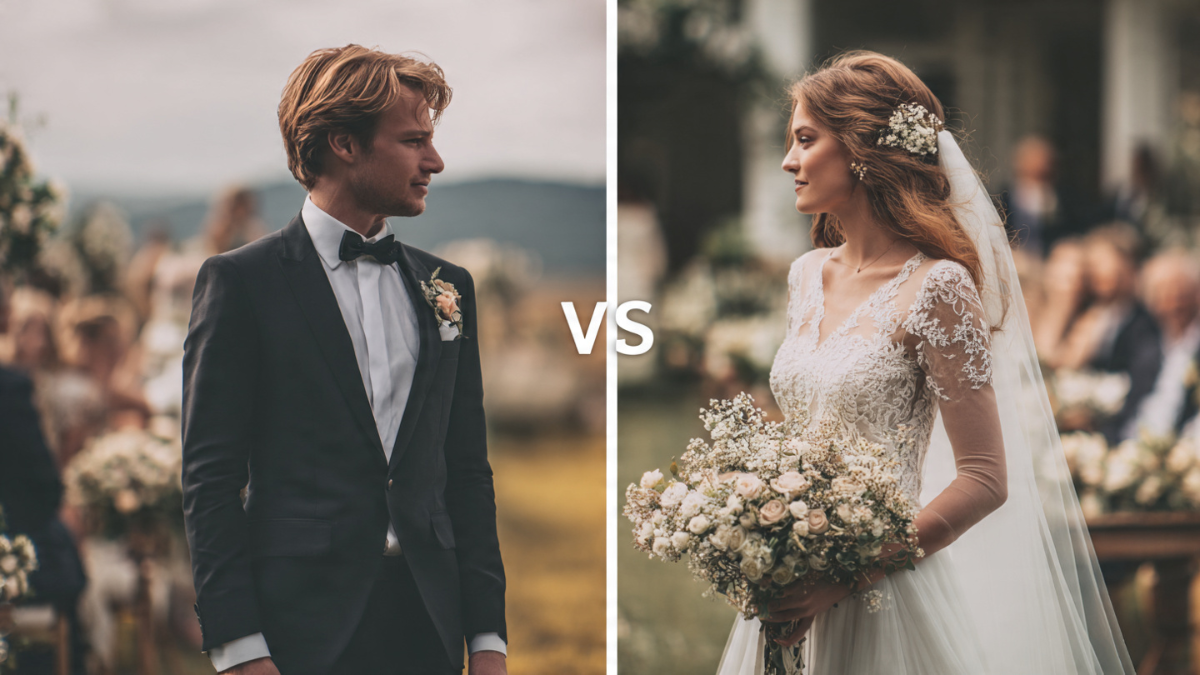
Planning a wedding often starts with a simple question that quickly becomes overwhelming: should it be a small, intimate gathering or a large, traditional celebration? Many couples in the U.S. find themselves stuck between wanting a meaningful experience and meeting family expectations. Budget, guest lists, venue options, and emotional priorities all come into play.
This decision is not just about numbers. It affects how your day feels, how much you spend, and how much control you have over the experience. By the end of this guide, you’ll clearly understand the differences between small and big weddings, the pros and limitations of each, and how to choose the option that truly fits your lifestyle, values, and budget.
Understanding the Topic Clearly
A small wedding typically includes 10 to 50 guests. It focuses on close family and friends, often with a relaxed atmosphere and more personal interaction. These weddings are usually held in smaller venues like private homes, boutique hotels, or scenic outdoor spaces.
A big wedding usually includes 100 to 300 or more guests. It follows a more traditional structure with formal elements such as large venues, full catering, entertainment, and detailed planning. These events are often designed to celebrate with extended family, colleagues, and a wider social circle.
The difference is not just size—it’s also about experience. Small weddings prioritize intimacy and simplicity, while big weddings emphasize celebration, scale, and social presence.
Why This Problem or Topic Matters
Choosing the wrong wedding size can lead to unnecessary stress, financial strain, or disappointment. For example, a couple may plan a large wedding to satisfy family expectations but later feel disconnected from the experience due to the crowd and pressure.
On the other hand, some couples choose a small wedding to save money but later regret not celebrating with a wider group of loved ones. In countries like the U.S., where weddings can easily cost tens of thousands of dollars, this decision has real financial consequences.
This choice also impacts your timeline, planning effort, and emotional experience. A well-informed decision helps ensure that your wedding aligns with your priorities rather than external pressure.
Key Features / Core Explanation
A small wedding offers a more controlled and personal environment. You can spend quality time with each guest, customize details, and often reduce overall costs. It allows for flexibility in location and style, making it easier to design a unique experience.
A big wedding provides a grand and festive atmosphere. It allows you to include extended family, friends, and colleagues. These events often feature professional vendors, elaborate décor, and structured timelines, creating a traditional and memorable celebration.
Budget plays a major role in both options. Small weddings generally cost less overall, but the cost per guest can be higher if you choose premium experiences. Big weddings spread costs across more people but often require larger total budgets due to venue size, catering, and logistics.
Planning complexity also differs. Small weddings are easier to manage, while big weddings require detailed coordination, contracts, and timelines. This can increase stress but also provide a more structured experience.
Step-by-Step Guide / Practical Application
Start by setting your priorities. Decide what matters most—intimacy, celebration, budget, or tradition. This will guide all other decisions.
Next, determine your budget realistically. Look at your savings, contributions from family, and how much you are comfortable spending without financial strain.
Create a rough guest list. Write down everyone you would like to invite, then separate them into essential and optional categories. This will help you visualize whether a small or large wedding is more practical.
Consider your venue preferences. If you dream of a cozy backyard ceremony or a destination wedding, a small wedding is more suitable. If you envision a ballroom or large event space, a big wedding aligns better.
Evaluate your stress tolerance and time availability. If you prefer a simple process with fewer decisions, a small wedding may be ideal. If you enjoy planning and want a detailed event, a big wedding can be rewarding.
Finally, discuss openly with your partner and families. Align expectations early to avoid conflicts later in the planning process.
Common Mistakes to Avoid
One common mistake is letting social pressure dictate your decision. Many couples feel obligated to host a large wedding even when it doesn’t match their preferences or budget.
Another mistake is underestimating costs. Small weddings can still become expensive if you choose luxury options, while big weddings often exceed budgets due to hidden expenses like service fees and taxes.
Some couples also overlook the emotional aspect. A big wedding may limit meaningful interaction with guests, while a small wedding might feel too quiet for those who enjoy lively celebrations.
Poor guest list management is another issue. Inviting too many people for a small venue or cutting too many people without clear communication can lead to awkward situations.
Tips to Get Better Results
Focus on experience rather than size. Think about how you want your wedding to feel, not just how it looks in photos.
Set clear boundaries early. If you choose a small wedding, communicate your reasons respectfully to avoid misunderstandings with family and friends.
Invest in what matters most to you. For a small wedding, this could be high-quality food or a unique venue. For a big wedding, it might be entertainment or décor.
Use professional help when needed. Wedding planners or coordinators can reduce stress, especially for large weddings with complex logistics.
Keep your timeline realistic. Avoid rushing decisions, as thoughtful planning leads to better outcomes regardless of wedding size.
Pros and Limitations
Small weddings offer intimacy, flexibility, and often lower overall costs. They allow for meaningful interactions and personalized details. However, they may exclude some loved ones and can feel less traditional.
Big weddings provide a lively atmosphere, inclusivity, and a sense of grandeur. They create opportunities to celebrate with a larger community. However, they require higher budgets, more planning, and can feel overwhelming on the actual day.
Neither option is inherently better. The right choice depends on your priorities, financial situation, and personal preferences.
Real-Life Example or Use Case
Consider a couple in California who initially planned a large wedding with 200 guests. As costs increased and stress built up, they reassessed their priorities. They realized they valued meaningful conversations and a relaxed environment more than a large event.
They switched to a 40-guest wedding at a vineyard. This allowed them to spend more time with each guest, upgrade their menu, and reduce planning stress. The result was a more personal and memorable experience.
In contrast, another couple in Texas chose a 250-guest wedding to include extended family and community members. They worked with a planner, set a clear budget, and created a structured timeline. The event was lively, organized, and fulfilled their vision of a traditional celebration.
Both approaches were successful because they aligned with the couples’ priorities.
Conclusion
Choosing between a small wedding and a big wedding is a deeply personal decision that goes beyond numbers. It affects your budget, your experience, and the overall meaning of your special day.
A small wedding offers intimacy and simplicity, while a big wedding provides energy and inclusivity. The key is to align your choice with your priorities, financial comfort, and emotional expectations.
When you focus on what truly matters to you and your partner, the size of the wedding becomes less important than the quality of the experience. A thoughtful, well-planned wedding—whether small or large—will always be more meaningful than one driven by pressure or expectations.
FAQs
How many guests are considered a small wedding?
Typically, a small wedding includes 10 to 50 guests. However, the exact number depends on your preferences and venue capacity.
Is a small wedding always cheaper?
Not necessarily. While the total cost is usually lower, the cost per guest can be higher if you choose premium services or locations.
Do big weddings create more stress?
They often involve more planning and coordination, which can increase stress. However, proper organization and professional help can manage this effectively.
Can I combine both small and big wedding elements?
Yes. Some couples choose a small ceremony followed by a larger reception, or host multiple events to balance intimacy and celebration.
What is the average cost difference in the U.S.?
Small weddings can range from $5,000 to $20,000, while big weddings often range from $30,000 to $60,000 or more, depending on location and choices.
How do I handle family expectations?
Communicate openly and explain your reasons. Focus on what works best for you as a couple while being respectful of their perspectives.