
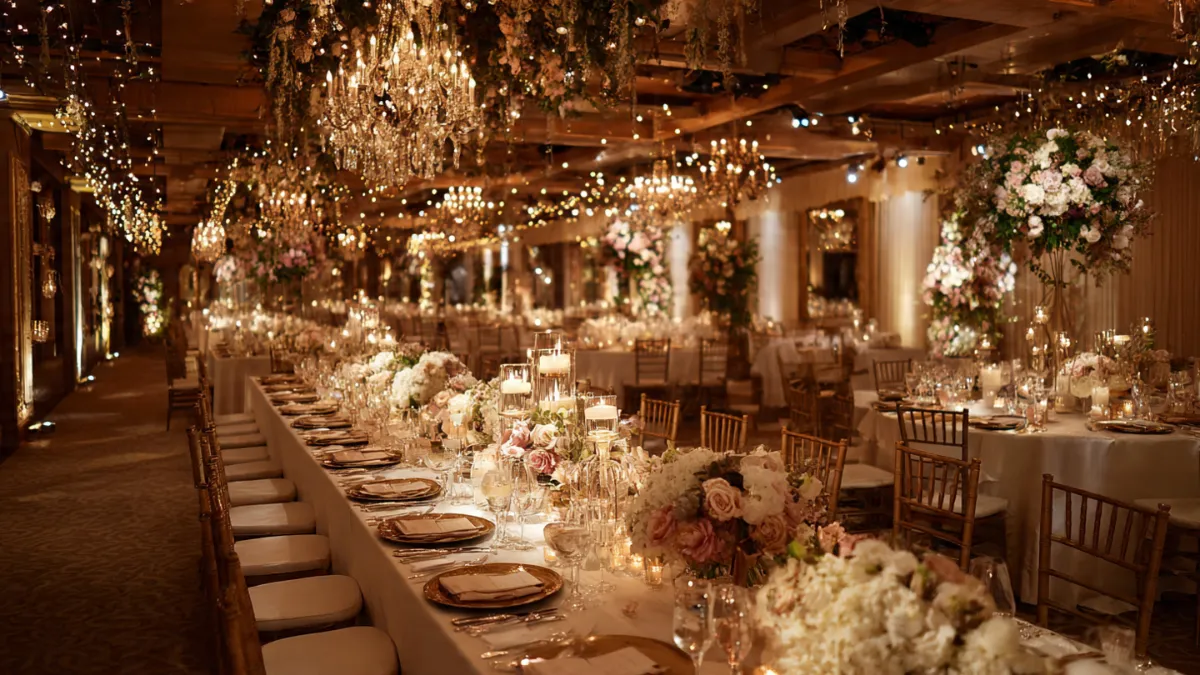
Planning a wedding often begins with excitement, but booking the right venue quickly becomes one of the most stressful decisions a bride faces. Many couples assume it’s just about picking a beautiful location, only to realize later that overlooked details can lead to budget overruns, scheduling conflicts, or logistical headaches.
This guide walks through the most common mistakes brides make when booking a wedding venue—and how to avoid them. By understanding these pitfalls early, you can make confident decisions, stay within budget, and ensure your big day runs smoothly from start to finish.
Understanding the Topic Clearly
Booking a wedding venue is more than choosing a pretty space. It involves evaluating capacity, services, contracts, policies, and how the venue fits your overall vision. The venue often dictates your wedding date, guest list size, décor options, and even vendor choices.
For many first-time planners, it’s easy to underestimate how complex this decision can be. A venue is not just a backdrop—it’s the foundation of your entire event. Making an informed choice requires attention to detail, clear priorities, and realistic expectations.
Why This Problem or Topic Matters
Choosing the wrong venue can create ripple effects throughout your wedding planning process. For example, selecting a venue that’s too small may force you to cut your guest list later, while choosing one that’s too large can make the event feel empty and impersonal.
Financially, venue-related mistakes are among the most expensive. Hidden fees, overtime charges, and unexpected restrictions can quickly push your budget beyond what you planned. In the U.S., where venue costs can take up 40–50% of a wedding budget, even small miscalculations can have a major impact.
Beyond money, the venue affects your overall experience. Issues like poor accessibility, limited parking, or strict vendor rules can create unnecessary stress on the wedding day—for both you and your guests.
Key Features / Core Explanation
Understanding what to look for in a venue helps you avoid costly errors. Start with capacity and layout. Always confirm both the maximum capacity and the comfortable capacity, especially if you want space for dancing, dining, and entertainment.
Next, evaluate what’s included. Some venues provide tables, chairs, linens, and catering, while others are “blank slate” spaces that require you to bring in everything. This difference significantly affects your total cost and planning effort.
Location is another critical factor. Consider travel time, accommodation options nearby, and accessibility for elderly guests. A venue that looks perfect online may not be practical in real life.
Finally, review the contract carefully. Pay attention to cancellation policies, payment schedules, insurance requirements, and any restrictions on décor, music, or vendors. These details often determine how flexible your wedding plans can be.
Step-by-Step Guide / Practical Application
Start by setting a realistic budget. Allocate a clear portion for the venue, keeping in mind additional costs like taxes, service charges, and gratuities. Avoid committing to a venue that leaves no room for other essentials.
Create a rough guest list before touring venues. This helps you choose a space that fits your needs without overpaying for unnecessary capacity.
Schedule venue tours and ask detailed questions. Visit at the same time of day as your planned event if possible. This gives you a realistic sense of lighting, traffic, and ambiance.
Compare multiple venues before making a decision. Even if you fall in love with the first one, seeing alternatives helps you evaluate value and avoid impulsive choices.
Once you decide, read the contract thoroughly. Don’t hesitate to ask for clarification or negotiate terms where possible. A clear understanding upfront prevents misunderstandings later.
Common Mistakes to Avoid
One of the most frequent mistakes is booking too early without proper research. While popular venues do get booked quickly, rushing into a decision can lead to regrets if you later discover better options.
Another common issue is ignoring hidden costs. Many venues advertise base prices but charge extra for essentials like setup, cleanup, security, or overtime. Always request a full cost breakdown.
Brides also often underestimate guest count. Inviting more people than the venue comfortably holds can lead to cramped seating and an uncomfortable experience.
Not reviewing vendor restrictions is another major oversight. Some venues require you to use their preferred vendors, which may limit your choices or increase costs.
Lastly, failing to consider logistics—such as parking, weather backup plans, and accessibility—can create unnecessary complications on the wedding day.
Tips to Get Better Results
Always ask for a detailed, itemized quote. This helps you compare venues accurately and avoid surprises later. Transparency is key when making such a significant investment.
Visit venues in person whenever possible. Photos can be misleading, and seeing the space firsthand allows you to assess layout, cleanliness, and overall vibe.
Build flexibility into your plans. Choosing an off-peak date or day can often reduce costs and increase availability, especially in high-demand locations across the U.S., UK, and Australia.
Communicate clearly with the venue coordinator. A responsive and organized team can make a huge difference in your planning experience.
Finally, trust your instincts—but back them up with facts. A venue should feel right emotionally while also meeting your practical needs.
Pros and Limitations
Booking a wedding venue early has clear advantages. It secures your preferred date and gives you a solid foundation for planning other elements like catering and décor. It also reduces last-minute stress.
However, early booking can limit flexibility if your plans change. For example, if your guest list grows or your budget shifts, you may feel locked into a decision that no longer fits your needs.
Similarly, all-inclusive venues simplify planning but may offer less customization. On the other hand, blank-slate venues provide creative freedom but require more time, effort, and coordination.
Understanding these trade-offs helps you make a balanced decision based on your priorities.
Real-Life Example or Use Case
Consider a bride in California who booked a scenic outdoor venue based solely on photos. She didn’t ask about weather contingencies or additional rental costs. When unexpected rain occurred, she had to arrange a last-minute tent, significantly increasing her expenses and stress.
In contrast, another bride in Texas chose a venue with both indoor and outdoor options. Although the initial cost was slightly higher, it included backup plans, coordination services, and essential rentals. On the wedding day, everything ran smoothly despite unpredictable weather.
These examples highlight how thorough planning and asking the right questions can make a significant difference.
FAQs
How far in advance should I book a wedding venue?
Most couples book 12–18 months in advance, especially for popular dates. However, smaller or off-season weddings may require less lead time.
What questions should I ask during a venue tour?
Ask about capacity, included services, vendor restrictions, payment terms, cancellation policies, and any additional fees.
Can I negotiate wedding venue pricing?
In many cases, yes. You may be able to negotiate pricing, especially for off-peak dates or bundled services.
What is typically included in a wedding venue package?
This varies widely. Some venues include furniture, catering, and coordination, while others only provide the space.
How do I avoid hidden costs?
Request a full, itemized quote and review the contract carefully. Ask specifically about taxes, service charges, and overtime fees.
Is it better to choose an indoor or outdoor venue?
Both have advantages. Outdoor venues offer natural beauty, while indoor venues provide more control over weather and logistics.
Conclusion
Booking a wedding venue is one of the most important decisions in the planning process, and small mistakes can lead to significant challenges. By understanding common pitfalls—such as hidden costs, capacity issues, and contract details—you can approach this decision with confidence.
Take your time, ask the right questions, and focus on both practical needs and personal preferences. A well-chosen venue not only sets the tone for your wedding but also ensures a smoother, more enjoyable experience for you and your guests.