
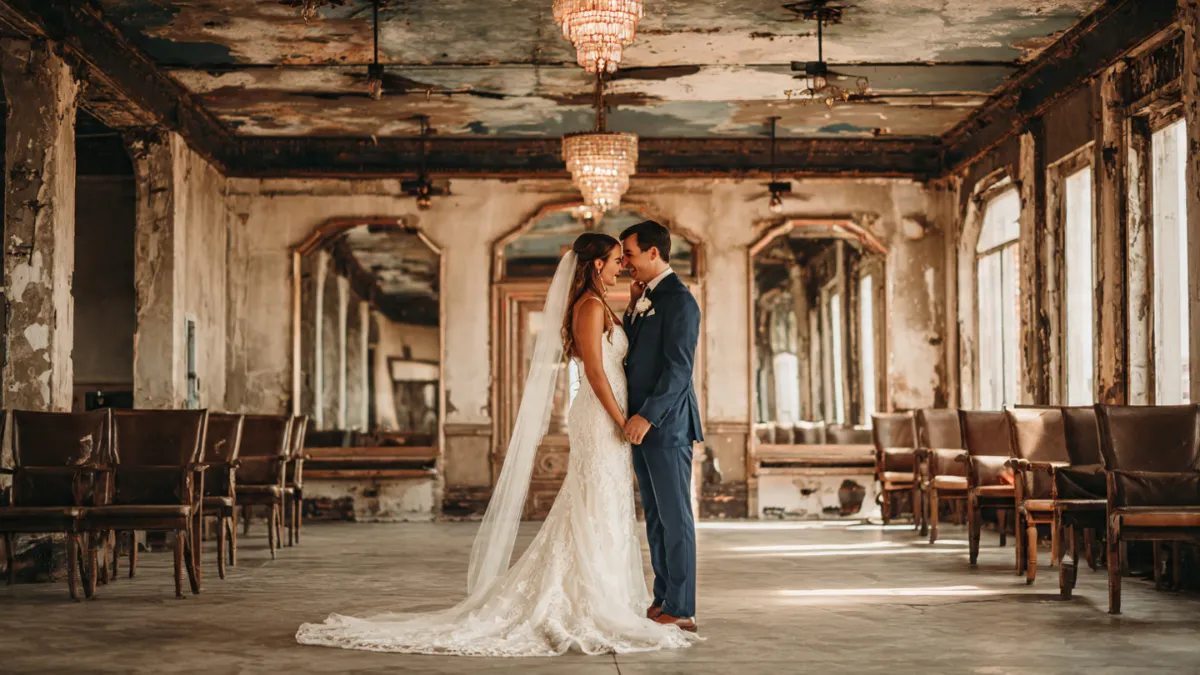
Planning a wedding often starts with a vision—perhaps a candlelit ceremony in a centuries-old hall or a garden celebration beside a historic estate. But turning that vision into reality can quickly become overwhelming, especially when choosing the right venue. Many couples struggle to balance beauty, budget, logistics, and guest comfort when considering historic locations.
Historic venues offer charm and character that modern spaces simply cannot replicate. However, they also come with unique considerations that require careful planning. This guide will walk you through exactly how to choose the perfect historic venue for your dream wedding, helping you make a confident, informed decision without unnecessary stress.
Understanding the Topic Clearly
A historic wedding venue typically refers to a property with cultural, architectural, or historical significance. This could include old mansions, heritage estates, museums, barns, or landmark buildings preserved over time.
What makes these venues special is their authenticity. Original features like vintage woodwork, grand staircases, or antique décor create a naturally elegant atmosphere. Unlike standard venues, historic locations often require less decoration because the setting itself tells a story.
However, these venues may also have restrictions due to preservation laws, limited capacity, or older infrastructure. Understanding both the appeal and the limitations is essential before making a decision.
Why This Problem or Topic Matters
Choosing the wrong venue can impact every part of your wedding day. It affects your budget, guest experience, timeline, and even your stress levels during planning.
For example, a beautiful historic estate in a remote area may look perfect in photos but could create transportation challenges for guests. Similarly, a venue with strict preservation rules might limit décor options or entertainment setups.
On the other hand, selecting the right historic venue can elevate your entire wedding experience. It creates a memorable atmosphere, reduces the need for excessive styling, and provides a meaningful backdrop that reflects your personal taste.
Key Features / Core Explanation
When evaluating historic venues, there are several core factors to consider.
First, architectural style and ambiance matter. Some venues offer classic European elegance, while others reflect rustic American heritage or colonial charm. Choose a style that aligns with your wedding theme.
Second, capacity and layout are crucial. Historic venues often have unique room configurations that may not suit large guest lists. Always confirm whether the space can comfortably accommodate your ceremony, reception, and any additional activities.
Third, preservation rules can influence your plans. Many historic sites have restrictions on decorations, open flames, or structural changes. Understanding these guidelines early will help you avoid last-minute surprises.
Fourth, accessibility is an important factor. Older buildings may not always be fully accessible for elderly guests or those with mobility needs. Parking availability and transportation options should also be reviewed.
Finally, vendor flexibility varies. Some venues require you to use in-house catering or approved vendors, while others allow full customization. This can significantly impact your budget and creative freedom.
Step-by-Step Guide / Practical Application
Start by defining your wedding vision clearly. Decide whether you want a formal, vintage, rustic, or romantic setting. This will help narrow down your options.
Next, set a realistic budget. Historic venues can range from affordable to premium depending on location and exclusivity. Include additional costs like permits, rentals, and restoration fees if applicable.
Research venues in your preferred location. In the U.S., popular choices include historic inns, restored barns, and landmark estates. Look at reviews, real wedding photos, and venue policies.
Schedule in-person visits whenever possible. Photos often don’t capture important details like lighting, space flow, or maintenance quality. Walk through the venue and imagine your event from start to finish.
Ask detailed questions during your visit. Clarify rules, vendor policies, setup timelines, and backup plans for weather if the venue includes outdoor areas.
Review contracts carefully before booking. Pay attention to cancellation policies, insurance requirements, and any hidden fees.
Finally, secure your date early. Historic venues are often in high demand, especially during peak wedding seasons.
Common Mistakes to Avoid
One common mistake is focusing only on appearance. While aesthetics are important, ignoring logistics can lead to major issues on the wedding day.
Another mistake is underestimating restrictions. Many couples assume they can decorate freely, only to discover limitations later. Always confirm what is allowed.
Overlooking guest comfort is also a frequent issue. Historic venues may lack modern amenities like air conditioning or sufficient restrooms. Make sure your guests will feel comfortable throughout the event.
Some couples also fail to account for additional costs. Historic venues may require extra rentals for lighting, heating, or furniture.
Lastly, booking without a site visit can lead to disappointment. Photos can be misleading, so seeing the venue in person is always recommended.
Tips to Get Better Results
Visit the venue at the same time of day as your planned wedding. This helps you understand natural lighting and overall ambiance.
Work with vendors who have experience in historic venues. They are more familiar with restrictions and can adapt easily to unique environments.
Consider seasonal factors. Older buildings may not handle extreme weather well, so plan accordingly for heating or cooling needs.
Use the venue’s natural beauty to your advantage. Instead of over-decorating, highlight existing features like arches, gardens, or vintage interiors.
Plan logistics early. Arrange transportation, parking, and guest accommodations in advance to avoid last-minute stress.
Pros and Limitations
Historic venues offer unmatched character and timeless beauty. They create a unique atmosphere that enhances both the ceremony and reception. Many also provide stunning photo opportunities without requiring extensive decoration.
However, there are limitations to consider. Restrictions on modifications can limit creativity. Maintenance issues or outdated facilities may require additional planning. Costs can also increase due to specialized requirements.
Balancing these pros and limitations is key to making the right choice.
Real-Life Example or Use Case
Consider a couple planning a wedding in a restored 19th-century estate in Virginia. They were drawn to the venue’s grand architecture and scenic gardens.
Initially, they planned elaborate décor but later discovered strict preservation rules. Instead of forcing their original plan, they adapted by using minimal floral arrangements and soft lighting to enhance the venue’s natural charm.
They also arranged shuttle services for guests due to limited parking. By adjusting their approach and planning carefully, they created a beautiful, stress-free wedding experience that fully embraced the venue’s historic character.
Conclusion
Choosing the perfect historic venue for your wedding requires more than just falling in love with a beautiful setting. It involves understanding the venue’s structure, rules, and practical limitations while aligning them with your vision and budget.
By focusing on both aesthetics and logistics, asking the right questions, and planning ahead, you can create a wedding experience that feels both meaningful and seamless. A well-chosen historic venue doesn’t just host your wedding—it becomes part of your story, adding depth and character to one of the most important days of your life.
FAQs
How far in advance should I book a historic wedding venue?
It’s best to book at least 12–18 months in advance, especially for popular dates and locations.
Are historic venues more expensive than modern venues?
Not always. Costs vary widely, but additional expenses like rentals or permits can increase the overall budget.
Can I customize decorations in a historic venue?
This depends on the venue. Many have restrictions to protect the property, so always confirm in advance.
What should I check during a venue visit?
Look at layout, lighting, accessibility, restrooms, and overall condition. Ask about rules and vendor policies.
Are historic venues suitable for large weddings?
Some are, but many have capacity limits. Always verify guest capacity before booking.
Do historic venues provide modern amenities?
Some do, but others may have limited facilities. Check for essentials like heating, cooling, and restrooms.