
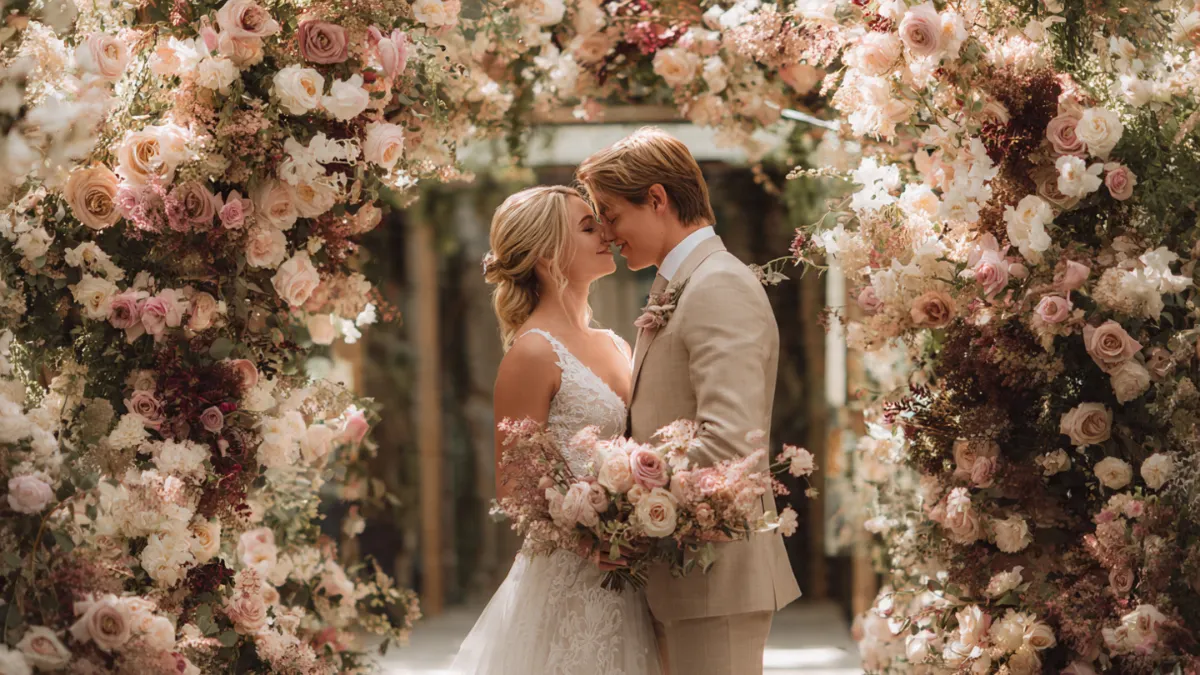
Planning a wedding in 2026 feels very different from even a few years ago. Couples today are balancing rising costs, busy schedules, and the desire to create something meaningful rather than just impressive. Many find themselves overwhelmed by endless ideas online, unsure which trends are actually practical and worth investing in.
This guide cuts through that noise. It explains the most relevant wedding trends couples are choosing in 2026, why they matter, and how to apply them realistically. By the end, you’ll have a clear understanding of what works, what to avoid, and how to plan a wedding that feels personal, manageable, and memorable.
Understanding the Topic Clearly
Wedding trends in 2026 are less about following traditions and more about intentional choices. Couples are moving away from “standard” weddings and focusing on experiences, personalization, and financial practicality.
This shift is driven by changing priorities. Many couples already live together, manage shared finances, and prefer spending on experiences rather than formalities. As a result, weddings are becoming more flexible, creative, and tailored to individual lifestyles.
Understanding these trends helps you make informed decisions instead of copying ideas that may not suit your situation. It ensures your wedding reflects your values, not just current aesthetics.
Why This Problem or Topic Matters
Choosing the wrong trends can lead to unnecessary stress, overspending, and disappointment. For example, a visually stunning but poorly planned outdoor wedding can quickly become chaotic if weather or logistics aren’t considered.
On the other hand, selecting the right trends can simplify planning. A smaller guest list, digital invitations, or a non-traditional venue can reduce costs while improving the overall experience.
In practical terms, understanding trends is not about being fashionable. It’s about making smarter decisions that align with your budget, timeline, and personal expectations.
Key Features / Core Explanation
Personalized Experiences Over Traditional Formats
Couples are prioritizing weddings that reflect their story. This includes custom vows, unique ceremony structures, and curated guest experiences rather than rigid timelines.
Instead of following a standard script, many are designing events that feel natural. This might mean combining ceremony and reception spaces or including interactive elements like live music or storytelling.
Smaller, More Intentional Guest Lists
Micro and mid-sized weddings remain popular in 2026. Couples are choosing quality over quantity, inviting only close family and friends.
This approach allows for better budgeting and a more intimate atmosphere. Guests feel more engaged, and couples can spend more time with each person.
Multi-Day Celebrations
Rather than a single-day event, many weddings now span a weekend. This includes welcome dinners, group activities, and relaxed post-wedding brunches.
This trend is especially common in destination weddings, where travel is involved. It creates more meaningful interactions and reduces the pressure of fitting everything into one day.
Sustainable and Eco-Conscious Choices
Sustainability is no longer optional for many couples. Reusable décor, locally sourced food, and digital invitations are becoming standard.
This not only reduces environmental impact but often lowers costs. For example, renting décor instead of buying can significantly cut expenses.
Technology Integration
Technology is playing a bigger role in weddings. Live streaming allows distant guests to attend, while wedding websites manage RSVPs, schedules, and updates.
Some couples are also using apps for seating arrangements and communication, making planning more efficient.
Non-Traditional Venues
Hotels and banquet halls are no longer the default. Couples are choosing locations like private estates, gardens, warehouses, and even family homes.
These venues offer flexibility and a unique atmosphere, often at a lower cost compared to traditional options.
Step-by-Step Guide / Practical Application
Step 1: Define Your Priorities
Start by identifying what matters most to you. This could be guest experience, budget control, or a specific theme.
Write down your top three priorities. This will guide every decision and prevent unnecessary spending.
Step 2: Set a Realistic Budget
Break your budget into categories such as venue, catering, attire, and décor. Allocate more funds to what you value most.
Always include a contingency buffer of at least 10–15% for unexpected costs.
Step 3: Choose the Right Venue Early
Venue availability is one of the biggest constraints. Book early, especially if you’re considering a non-traditional location.
Visit the site and evaluate logistics such as parking, accessibility, and weather backup options.
Step 4: Build a Flexible Timeline
Avoid overloading your schedule. Allow time for transitions, guest interaction, and unexpected delays.
If you’re planning a multi-day event, distribute activities evenly to prevent fatigue.
Step 5: Focus on Guest Experience
Think from a guest’s perspective. Ensure clear communication, comfortable seating, and smooth flow between events.
Small details like welcome kits or clear signage can make a significant difference.
Step 6: Use Technology Wisely
Create a wedding website for RSVPs and updates. Consider live streaming if you have guests who cannot attend in person.
Use digital tools to stay organized, but avoid overcomplicating the process.
Common Mistakes to Avoid
Overcommitting to Trends
Trying to include every popular idea can lead to a cluttered and stressful event. Focus on a few meaningful elements instead.
Ignoring Practical Constraints
A beautiful idea may not be practical. For example, outdoor venues require backup plans for weather and lighting.
Underestimating Costs
Small expenses add up quickly. Always track spending and review your budget regularly.
Poor Time Management
Packing too many activities into one day can overwhelm both you and your guests. Keep the schedule manageable.
Neglecting Guest Comfort
Long waiting times, unclear directions, or lack of seating can negatively impact the experience.
Tips to Get Better Results
Prioritize Simplicity
Simple plans are easier to execute and often more enjoyable. Avoid unnecessary complexity.
Communicate Clearly
Keep guests informed through a central platform like a wedding website. Clear communication reduces confusion.
Work with Reliable Vendors
Choose vendors with strong reviews and clear contracts. Reliability matters more than price alone.
Plan for Flexibility
Have backup plans for key elements such as weather, transportation, and timing.
Focus on Meaningful Details
Personal touches like handwritten notes or curated playlists can create lasting memories without high costs.
Pros and Limitations
Pros
Modern wedding trends offer flexibility and personalization. They allow couples to design events that truly reflect their preferences.
Cost control is another advantage. Smaller guest lists and non-traditional venues can significantly reduce expenses.
These trends also improve guest experience by focusing on comfort and engagement.
Limitations
Not all trends suit every couple. For example, a destination wedding may not be accessible for all guests.
Some trends, like multi-day events, can increase costs if not managed carefully.
There is also the risk of decision fatigue due to too many options. Clear priorities are essential to avoid this.
Real-Life Example or Use Case
Consider a couple in California planning a 2026 wedding. Instead of booking a large banquet hall, they chose a private vineyard.
They invited 60 guests and planned a weekend event. The first day included a casual dinner, the second day featured the ceremony and reception, and the final day was a relaxed brunch.
They used a wedding website for communication and opted for digital invitations. Décor was rented, and catering focused on locally sourced food.
This approach reduced costs, simplified logistics, and created a more personal experience. Guests appreciated the relaxed atmosphere and meaningful interactions.
Conclusion
Wedding trends in 2026 are centered on intention, flexibility, and meaningful experiences. Couples are moving away from rigid traditions and focusing on what truly matters to them and their guests.
By understanding these trends and applying them thoughtfully, you can create a wedding that is both practical and memorable. The key is to prioritize wisely, plan realistically, and stay focused on your goals.
A well-planned wedding doesn’t need to be extravagant. It needs to feel right for you.
FAQs
What is the most popular wedding trend in 2026?
Personalization is the leading trend. Couples are focusing on creating experiences that reflect their story rather than following traditional formats.
Are smaller weddings better than large ones?
Smaller weddings often allow better budget control and more meaningful interactions. However, the best choice depends on your preferences and priorities.
How can I reduce wedding costs without compromising quality?
Focus on fewer guests, choose a flexible venue, and prioritize what matters most. Avoid spending on elements that do not add value.
Is a multi-day wedding worth it?
It can be beneficial for creating deeper connections, especially for destination weddings. However, it requires careful planning and budgeting.
How important is sustainability in weddings today?
Sustainability is increasingly important. Many couples prefer eco-friendly options that reduce waste and align with their values.
Should I follow wedding trends or create my own style?
Use trends as inspiration, not rules. Your wedding should reflect your preferences and circumstances.