
Weddings in 2026 are more personalized—and more expensive—than ever. In both the US and UK, average wedding costs have climbed significantly, leaving many couples asking the same question: where should you actually spend, and where can you safely cut back?
The reality is simple. Not every part of your wedding deserves a big budget. Some elements create lasting memories and directly impact your experience, while others go unnoticed by guests or are quickly forgotten. The key is strategic spending, not just cutting costs.
This guide breaks down exactly where your money matters most—and where you can save without sacrificing style, experience, or impact.
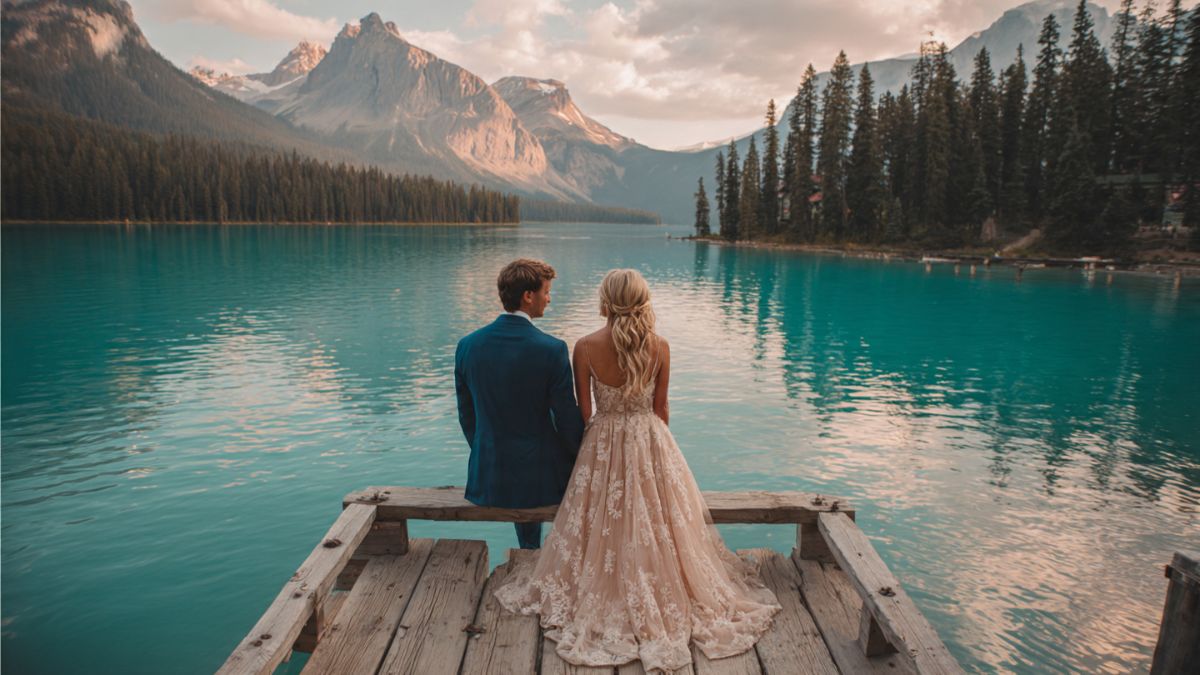
Spend More on the Venue (It Sets Everything)
Your venue is the foundation of your wedding. It determines:
- The overall aesthetic
- Guest comfort
- Logistics (space, layout, flow)
A well-chosen venue can reduce your need for heavy decoration, while a poor one can create stress and hidden costs.
Why it’s worth spending:
- Guests remember the atmosphere
- Better venues include amenities (furniture, lighting, coordination)
- Saves money on decor later
Smart move: Choose a venue that already looks beautiful so you don’t have to over-decorate.
Spend on Photography & Videography (Memories Are Permanent)
After the wedding day is over, your photos and videos are what remain. This is not the place to cut corners.
Why invest here:
- You can’t recreate moments later
- Professional editing makes a huge difference
- Poor photography is one of the biggest regrets couples report
Pro tip: Book a photographer whose style matches your vision (light & airy, editorial, cinematic).
Spend on Food & Guest Experience
Guests may not remember every detail—but they will remember the food.
Where to prioritize:
- Quality catering
- Enough servings (avoid shortages)
- Dietary options
Why it matters:
- Directly affects guest satisfaction
- Keeps the event smooth and enjoyable
Smart move: Focus on quality over variety—fewer dishes, but better execution.
Spend on Entertainment (Creates the Energy)
A great DJ or live band can completely transform your wedding atmosphere.
Why it’s worth it:
- Keeps guests engaged
- Prevents awkward silence
- Builds emotional moments
Tip: Read reviews and watch real performance clips before booking.
Spend on Personal Elements (You’ll Notice Them Most)
This includes:
- Bridal outfit / suit
- Hair & makeup
- Comfort items (shoes, tailoring)
Why it matters:
- You’ll be in every photo
- Confidence affects your overall experience
Balanced approach: Spend smart—premium quality doesn’t always mean designer brands.
Save on Over-the-Top Decorations
Decor is important—but many couples overspend here.
Where to cut back:
- Excessive floral arrangements
- Too many decorative elements
- Trend-driven items that quickly look outdated
Smart alternative:
- Focus on key areas (stage, entrance, tables)
- Use lighting to create impact instead of more decor
Guests rarely notice small decorative details—but they do notice overall ambiance.
Save on Invitations and Stationery
Printed invitations can be expensive and often end up unused.
Cost-saving ideas:
- Digital invitations
- Simple, elegant designs
- Limit extra inserts
Most guests care about the information, not the paper quality.
Save on the Wedding Cake
Wedding cakes are often overpriced for what they offer.
Better approach:
- Choose a smaller display cake
- Serve sheet cake to guests
- Consider alternative desserts
Guests care more about taste than design complexity.
Save on Transportation (Keep It Practical)
Luxury transportation sounds appealing but is rarely necessary.
Where to save:
- Skip multiple vehicles
- Use simple, reliable transport
- Focus on punctuality, not luxury
Most guests won’t remember how they arrived—they’ll remember the event itself.
Save on Multiple Outfit Changes
Multiple outfit changes can quickly increase your budget.
Smart approach:
- Invest in one standout outfit
- Choose versatile styling
- Avoid unnecessary wardrobe changes
Simplicity often looks more elegant and feels less stressful.
Budget Breakdown Strategy (What Actually Works)
A practical allocation many planners recommend:
- 40–50% → Venue + Catering
- 10–15% → Photography & Videography
- 10–15% → Attire & Personal Styling
- 5–10% → Entertainment
- 5–10% → Decor
- <5% → Invitations, cake, extras
This ensures your money goes where it creates the most impact.
Common Budget Mistakes to Avoid
- Overspending on decor instead of experience
- Choosing the cheapest photographer
- Ignoring hidden venue costs
- Trying to impress guests instead of focusing on comfort
- Not setting a clear budget early
Final Insight: It’s About Impact, Not Price
A memorable wedding isn’t about how much you spend—it’s about how wisely you spend it.
Focus on:
- Experience over appearance
- Quality over quantity
- Moments over materials
When you allocate your budget strategically, you can create a wedding that feels luxurious, personal, and unforgettable—without overspending.
FAQs
1. What is the biggest wedding expense?
Usually the venue and catering take up the largest portion of the budget.
2. Where should I not cut costs?
Photography, food, and venue quality are the most important areas.
3. How can I reduce wedding costs quickly?
Limit guest count, simplify decor, and choose an off-season date.
4. Is a wedding planner worth it?
Yes, especially for large weddings—they can save both time and money in the long run.